Harper Werner · 8 September 2026
Seal Pup Strandings Reveal Ecosystem Changes Across Isle Bay
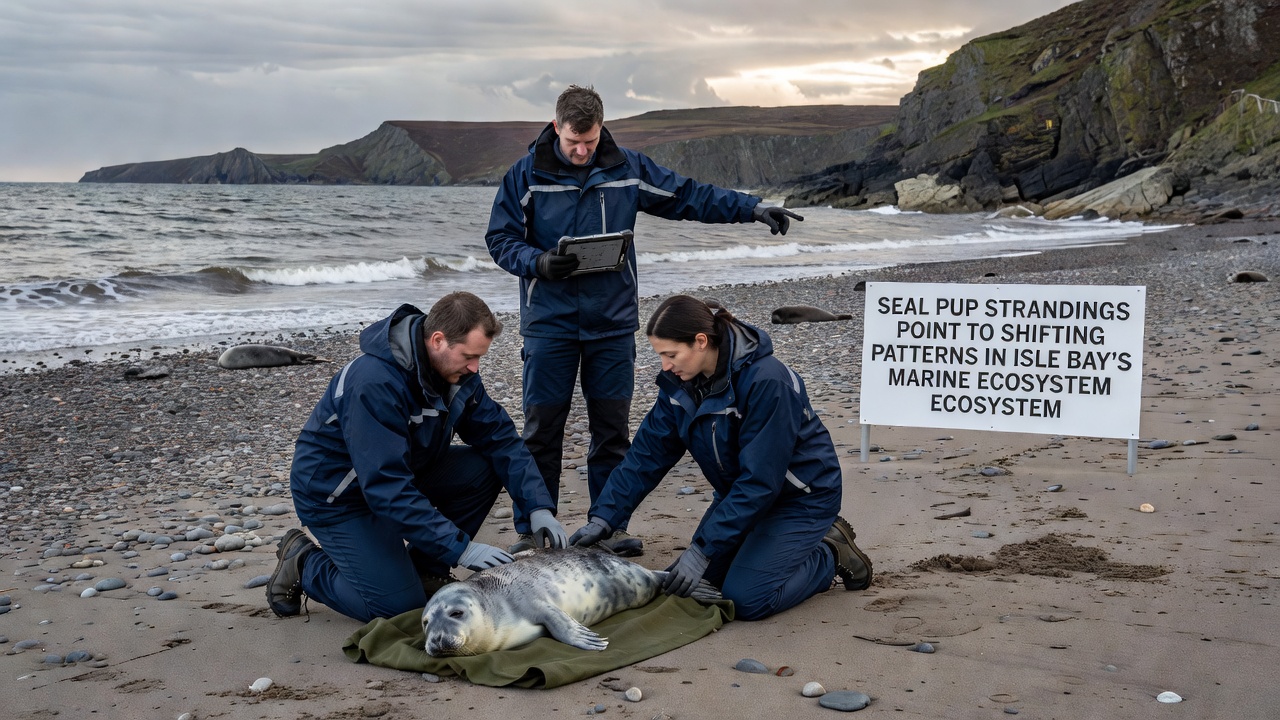
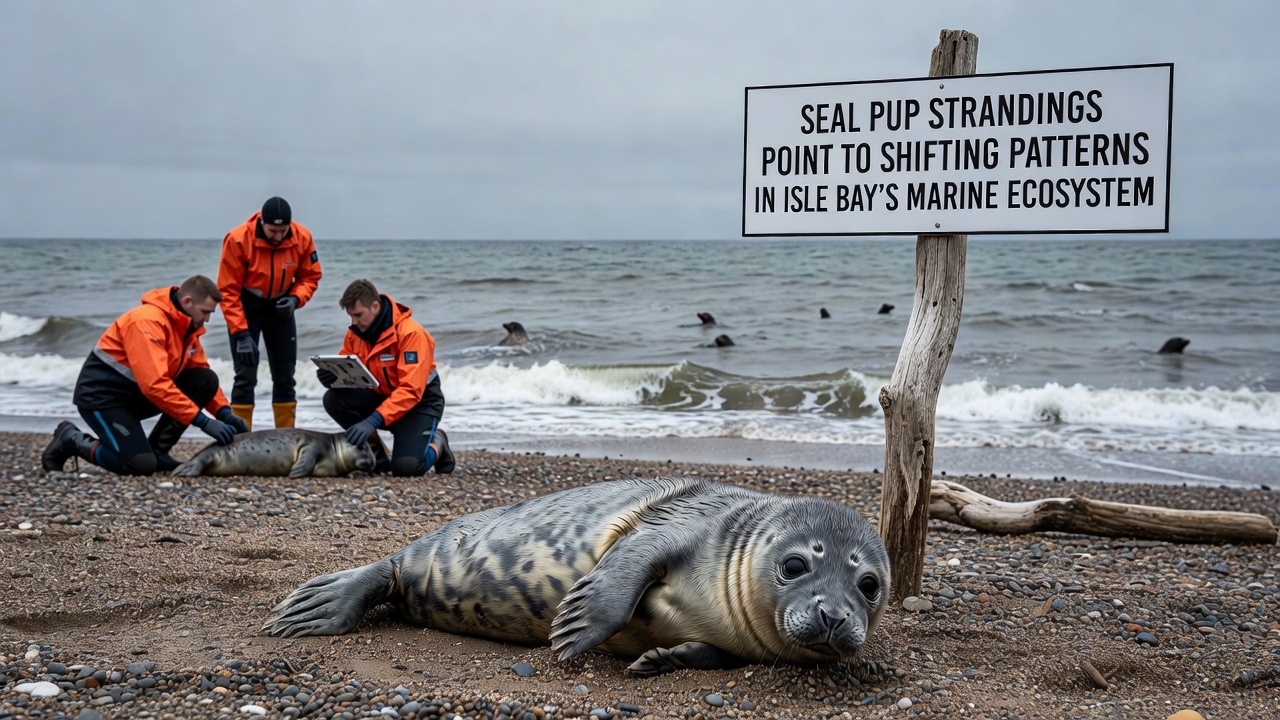
Seal pup strandings have increased in Isle Bay over recent seasons, and observers note these events coincide with measurable shifts in water temperature, prey availability, and coastal currents. Researchers from regional marine institutes have recorded higher numbers of young harbor seals and gray seals coming ashore in distress, particularly during late summer and early fall periods.
Data collected through systematic beach surveys shows that strandings rose notably in September 2026 compared with the same month in prior years. Teams documented 47 cases that month alone, with many pups exhibiting signs of malnutrition and dehydration upon initial assessment. Marine mammal response groups transported several animals to rehabilitation facilities where veterinary staff provided supportive care and tracked recovery rates.
Tracking Population Trends
Local monitoring programs have followed seal colonies in Isle Bay since the early 2010s, and records indicate stable pup production until approximately 2023. Since that time counts of live births have remained consistent while stranding reports climbed steadily. This pattern suggests that survival challenges occur after weaning rather than during the initial nursing phase.
Biologists attribute part of the change to alterations in forage fish populations, which serve as primary prey for both adult seals and newly independent pups. Acoustic surveys conducted by fisheries agencies reveal reduced herring and sand lance densities in several feeding grounds near the bay entrance. Seals that once hunted within protected coves now travel farther offshore, increasing energy expenditure for mothers and their offspring.
Environmental Drivers at Play
Water temperature records from buoy stations maintained by federal oceanographic services show a gradual warming trend across the inner bay, rising an average of 1.2 degrees Celsius over the past decade. Warmer surface layers can affect plankton blooms that support the entire food web, and scientists have linked these conditions to earlier migrations of certain fish species.
Current patterns have also shifted, according to modeling from the National Oceanic and Atmospheric Administration. Stronger northerly flows during autumn months push nutrient-rich water away from traditional haul-out sites, forcing seals to adapt their movement routes. These changes do not occur in isolation, and experts note they interact with broader regional climate signals observed along the North Atlantic coast.
Response and Rehabilitation Efforts
Stranding networks coordinate with local volunteers and state wildlife departments to respond quickly when reports come in. Protocols include immediate health evaluations followed by transport decisions based on the animal's condition and age. Facilities equipped for marine mammal care have expanded capacity in recent years, allowing more pups to receive treatment before release attempts.
Release success rates vary depending on the severity of emaciation at intake, yet follow-up tracking with satellite tags shows that many rehabilitated individuals return to normal foraging behaviors within weeks of returning to the wild. These outcomes provide valuable data for refining care techniques and understanding post-release survival.
Broader Ecosystem Connections
Isle Bay's marine system supports multiple species that interact through complex predator-prey relationships, and seal strandings serve as one visible indicator among several. Bird colony surveys conducted by university teams have recorded parallel declines in certain seabird fledging rates, while shellfish harvesters report changes in recruitment patterns for local bivalve populations.
Long-term studies funded through academic partnerships continue to integrate these datasets, and preliminary models suggest that cumulative stressors, rather than any single factor, drive the observed trends. Continued monitoring remains essential for distinguishing natural variability from directional change.
Conclusion
Seal pup strandings in Isle Bay reflect measurable adjustments within the surrounding marine environment, and ongoing data collection supports clearer understanding of these dynamics. Response organizations, research institutions, and resource managers maintain coordinated efforts to track conditions and support affected animals while gathering information that informs wider conservation strategies.