Yves Hughes · 3 November 2026
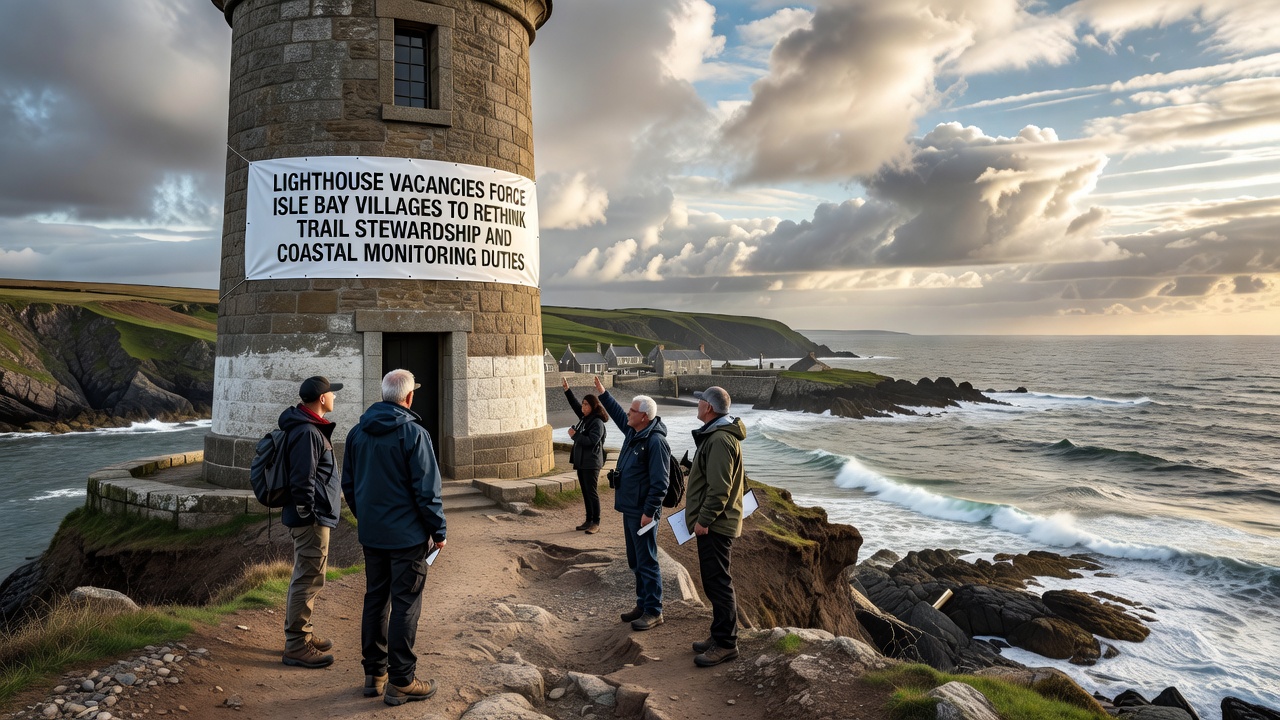
Lighthouse Vacancies Force Isle Bay Villages to Rethink Trail Stewardship and Coastal Monitoring Duties
Isle Bay villages have faced staffing shortages at historic lighthouse facilities since early 2025, and these gaps have pushed local authorities to reconsider how they maintain trail networks and oversee coastal observation programs. Data from regional records indicate that multiple positions remained unfilled through November 2026, which shifted responsibilities onto volunteer groups and municipal staff who previously handled only supplementary roles. Observers note that trail maintenance crews now coordinate with remaining lighthouse personnel to log erosion patterns and wildlife sightings, a change driven by the need to sustain continuous data collection along the shoreline. Villages across the region have documented how reduced lighthouse staffing affects daily operations. According to reports compiled by local environmental offices, trail sections near decommissioned or understaffed beacons show increased instances of unmonitored access points and overgrown paths. Those who manage these areas explain that coastal monitoring once relied on lighthouse keepers to report tide levels, storm damage, and species movements in real time, yet vacancies have required villages to install automated sensors and recruit part-time observers instead.Shifting Responsibilities in Trail Management
Trail stewardship programs in Isle Bay communities traditionally combined volunteer labor with oversight from lighthouse staff, but vacancies have forced a redistribution of tasks. Research indicates that several villages now schedule joint patrols where monitoring teams check both trail conditions and nearby coastal markers during single outings. This approach reduces duplicated travel yet places additional demands on existing personnel who track vegetation growth, signage repairs, and public safety hazards simultaneously.
Figures from municipal logs reveal that trail usage increased by measurable percentages in 2026, partly because visitors sought out lighthouse sites during periods when staffing appeared lower. Villages responded by updating access protocols and expanding signage that directs hikers toward maintained routes while highlighting areas under reduced surveillance. Experts have observed that such adjustments help preserve fragile coastal habitats even as oversight structures evolve.
Coastal Monitoring Adjustments Underway

Coastal monitoring duties once centered on lighthouse stations because keepers provided consistent visual and recorded observations of water quality, marine activity, and weather impacts. With positions vacant, villages have turned to partnerships with regional research institutions to maintain data streams. One study coordinated with external agencies showed that sensor arrays placed at former keeper vantage points delivered comparable readings on wave action and sediment shifts, although human interpretation of unusual events decreased.
Those overseeing these programs note that November 2026 marked a period when several villages tested hybrid models combining automated alerts with scheduled site visits by trained residents. The approach allowed continued tracking of nitrate fluctuations and bird migration corridors that previously depended on daily lighthouse logs. Villages also began cross-training trail stewards in basic coastal data protocols to bridge gaps left by unfilled positions.
Community Responses and Resource Allocation
Local governments have reallocated portions of annual budgets toward equipment purchases and training sessions rather than new hires. Evidence suggests this shift supports trail upkeep and monitoring continuity while villages evaluate long-term staffing strategies. Some communities established shared resource pools where neighboring villages exchange personnel for peak observation periods, such as during storm seasons or migration peaks.
According to summaries released by coastal management boards, these collaborative efforts have kept core data collection rates stable despite the vacancies. Villages continue to document trail conditions alongside coastal metrics, which allows integrated planning for erosion control and public access improvements. The reality is that reliance on technology and community involvement has expanded faster than anticipated, creating new operational frameworks that may persist beyond current staffing challenges.
Looking Ahead for Isle Bay Villages
Future planning sessions scheduled for late 2026 and into 2027 focus on sustainable models that integrate lighthouse functions with broader environmental stewardship. Data collected so far indicates that villages can maintain trail integrity and coastal records through combined volunteer and technological systems, although officials continue to assess recruitment options for specialized roles. Partnerships with academic groups provide additional analysis capacity that supports both trail preservation and shoreline observation requirements.
Conclusion
Villages around Isle Bay continue adapting to lighthouse vacancies by restructuring how trail stewardship and coastal monitoring duties interconnect. The changes implemented through November 2026 demonstrate that coordinated efforts between local teams and external data sources can sustain essential programs even when traditional staffing models face disruption. Ongoing evaluations will determine whether these adjustments become permanent features of regional management practices.