Yves Hughes · 20 October 2026
Ferry Schedule Woes Compound for Isle Bay Residents Amid Updated Mooring Restrictions
Shifting Coastal Dynamics in Isle Bay
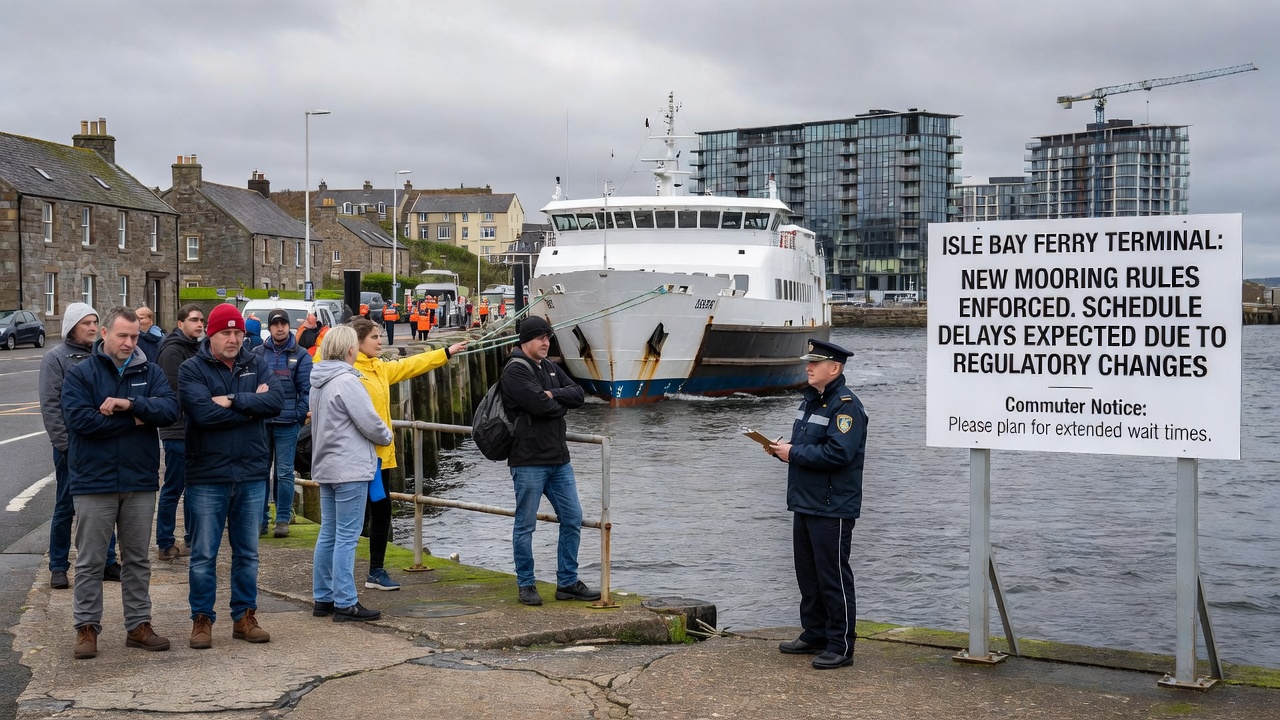
Isle Bay's coastal zone continues to experience measurable changes in water levels and sediment patterns according to monitoring data collected by regional environmental agencies, and these shifts have prompted local authorities to revise mooring protocols that now apply more stringently to both commercial operators and private vessel owners. Commuters who rely on daily ferry services report that schedule adjustments implemented over the past eighteen months have created overlapping delays, particularly during peak travel windows in the morning and late afternoon.
Records maintained by the Isle Bay Transport Authority show average ferry arrival deviations increased from twelve minutes in 2023 to twenty-seven minutes during the first half of 2025, with further variability noted after mooring inspections became mandatory at two-hour intervals rather than the previous four-hour cycle. The new rules require all vessels exceeding twenty-five feet to secure additional fore-and-aft lines plus fender placements that conform to updated load-bearing specifications issued in early 2025.
Commuter Impacts and Schedule Intersections
People who travel between the mainland and outlying islands describe situations where ferry departures are postponed because mooring crews must complete re-inspections before clearance is granted, and these pauses accumulate across multiple runs each day. Data compiled by the regional ferry cooperative indicates that roughly 1,800 daily passengers experienced cumulative delays exceeding forty-five minutes on at least three occasions per week during September 2025, prompting some riders to explore alternative routes via longer road connections when weather permits.
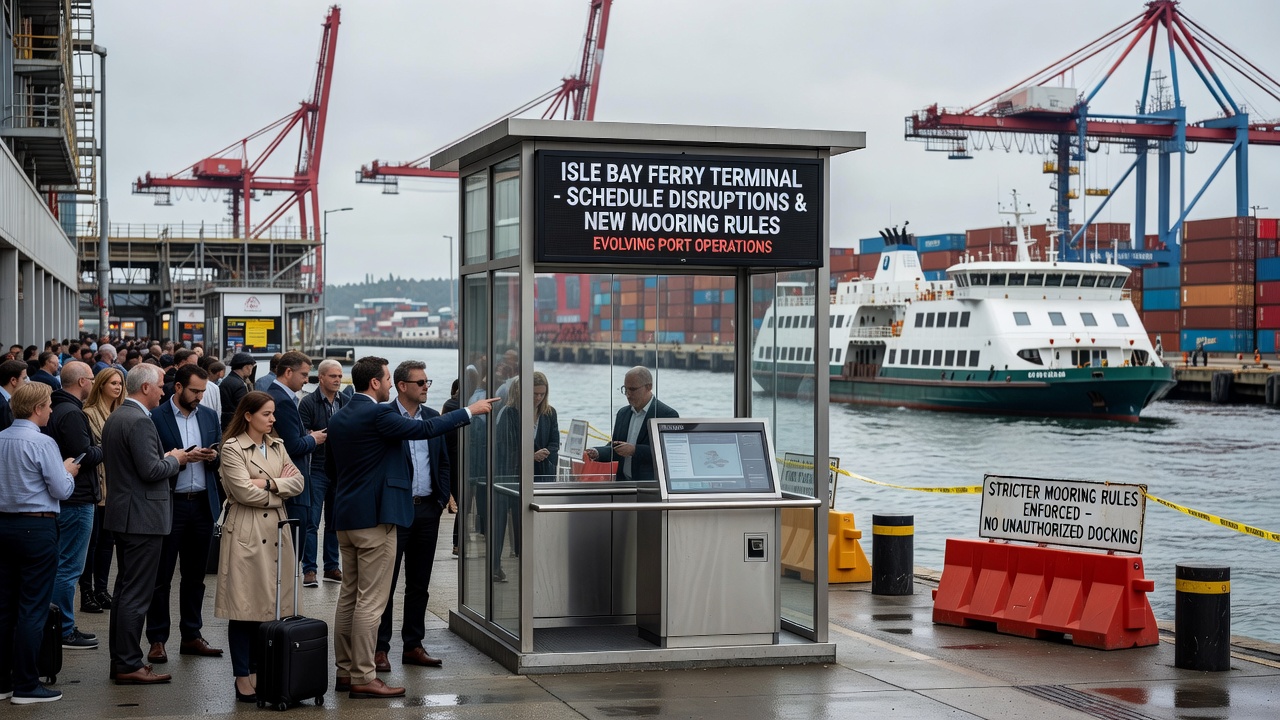
Observers note that stricter mooring enforcement coincides with seasonal increases in recreational boating traffic, which adds pressure on limited dock space and forces ferry operators to queue outside designated berths until compliance checks finish. One case documented in port authority logs involved a morning commuter vessel held for an additional nineteen minutes while inspectors verified chain tension on three adjacent private yachts that had arrived overnight.
Regulatory Framework and Implementation Timeline
Updated mooring standards stem from a 2024 coastal resilience assessment conducted jointly by the Isle Bay Planning Commission and the National Oceanic and Atmospheric Administration, which identified elevated storm-surge risks along several stretches of shoreline. The resulting guidelines, phased in through mid-2025, mandate higher minimum breaking-strength ratings for lines and require documented inspection records retained for twelve months. Full enforcement begins in October 2026, when electronic logging devices will become compulsory for all commercial mooring operations within the bay.
Transport Canada has published parallel guidance on vessel securement practices for similar tidal environments, and some Isle Bay operators have referenced those materials during training sessions for dock staff. Meanwhile, the Australian Maritime Safety Authority released a 2025 technical bulletin on fender system design that several local marinas have adopted voluntarily ahead of the October deadline.
Operational Adjustments by Ferry Providers
Ferry companies serving Isle Bay have responded by extending turnaround windows from thirty-five to fifty minutes at the main terminal, yet this buffer has not fully offset inspection-related holds during high-traffic periods. Schedules published for the winter 2025-2026 season include explicit notes about potential variability tied to mooring verification, and riders are advised to allow additional travel time. Coordination meetings between the ferry cooperative and the port authority occur monthly to review delay metrics and explore minor route tweaks that might reduce congestion at shared docking areas.
Researchers at the University of Washington's coastal engineering program have modeled how altered mooring configurations affect vessel dwell times in comparable bays, and their preliminary findings suggest that standardized pre-inspection checklists could trim average verification periods by eight to twelve minutes once crews gain familiarity with the new procedures.
Conclusion
Isle Bay's evolving regulatory landscape continues to shape daily ferry operations as mooring requirements tighten in response to documented coastal changes, and commuters encounter these adjustments through extended wait times and revised schedules. Data collection efforts by local and federal agencies will track the effectiveness of the October 2026 electronic logging mandate, while ongoing dialogue between operators and regulators aims to balance safety standards with service reliability across the bay network.